61 Kaki Bukit Ave 1, #01-09, Singapore 417943
 +65 6841 0661
Find E-Waste Collection Points Near You (Recycling Guide)
Find e-waste collection points across Singapore. Free drop-off bins for phones, laptops, and batteries, plus doorstep pickup for fridges and TVs.
Got an old phone, a dead laptop battery, or a broken printer sitting around? The question isn’t whether it can be recycled, it’s finding the nearest e-waste collection point that actually accepts it.
Singapore’s e-waste collection points are spread across community centres, malls, and retail stores, but not every bin takes every item, and some things need a completely different collection route. This guide walks through exactly where to take each type of device.
How to Locate an E-Waste Collection Point
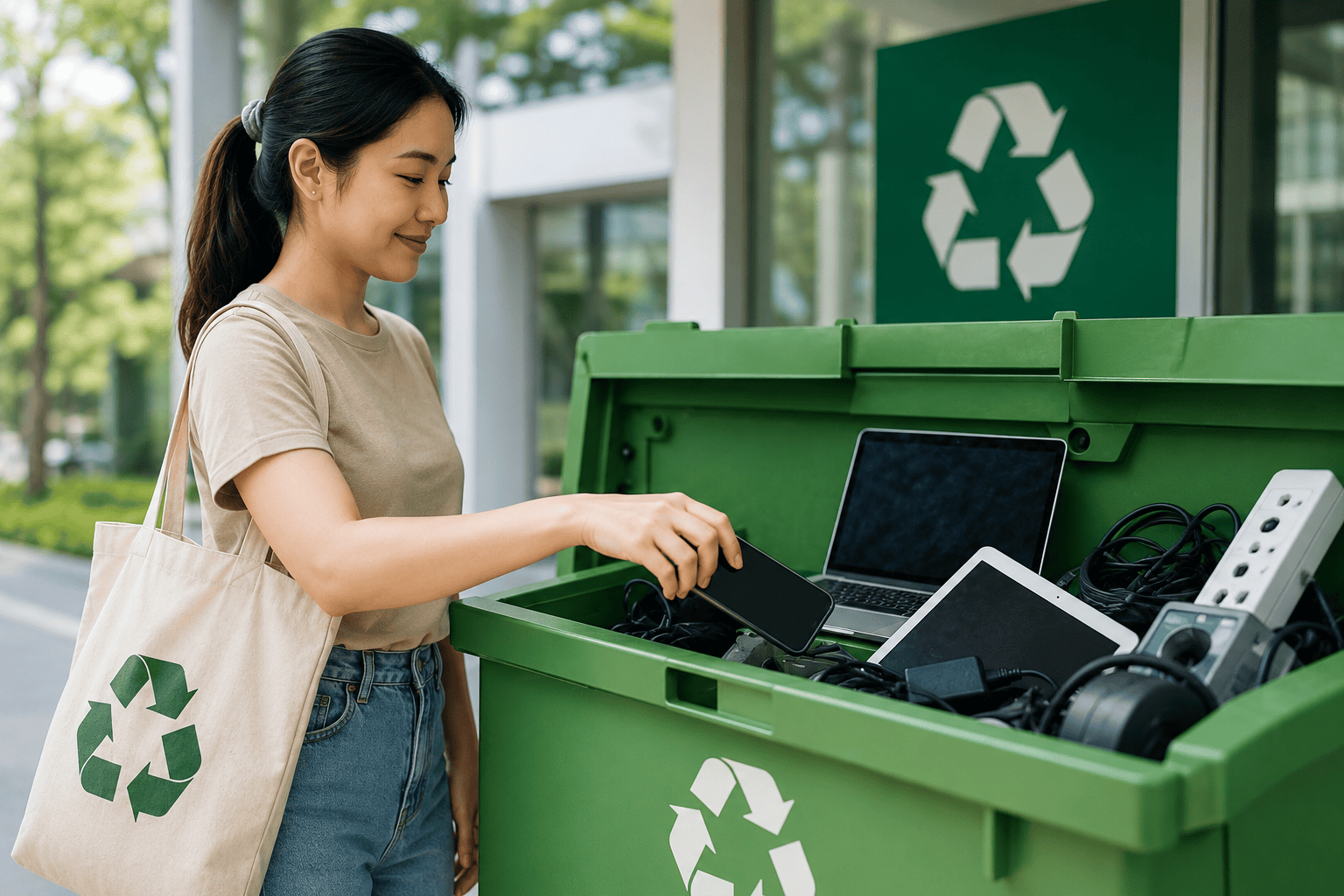
The easiest way to find e-waste collection points is to search by your area or postal code and compare nearby options. Public e-waste bins are placed at community centres, shopping malls, supermarkets, and selected retail stores as part of Singapore’s nationwide e-waste management scheme, operated by ALBA E-Waste Smart Recycling on behalf of NEA.
Some bins accept small electronics directly, while larger items need a different collection route entirely. The ALBA Step Up app has a bin-locator feature that shows the nearest drop-off point along with what it accepts, the fastest way to check before you leave the house.
If a bin or programme lists specific accepted items or size limits, read those details closely so you don’t make a wasted trip.
Find E-Waste Collection Points Near Me
The nearest bin depends on the device. A general e-bin works for basic computer disposal, phone recycling, or small printers, while large appliances almost always require a scheduled doorstep collection instead of a walk-in bin. If a listing is unclear, use the Step Up app’s item list or call ahead before leaving home.
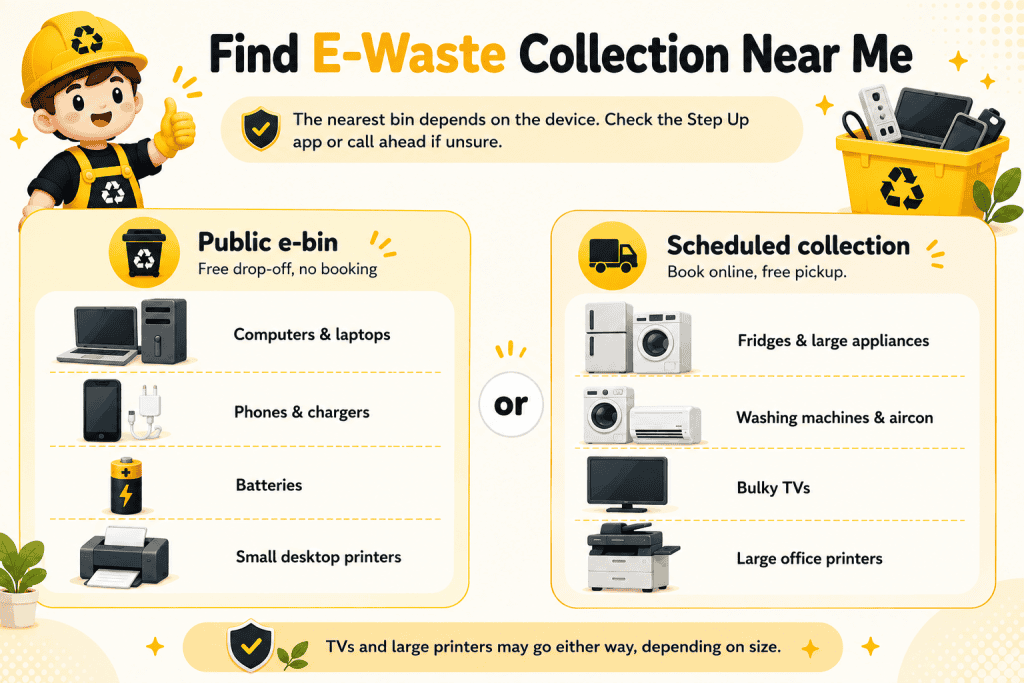
| Device Type | Accepted at Public E-Bin | Requires Scheduled Collection |
|---|---|---|
| Computer disposal | Yes | No, if the device is small enough for the bin |
| Laptop recycling | Yes | No |
| Phone recycling | Yes | No |
| Printer recycling | Yes, for small desktop printers | Sometimes, for larger office units |
| Battery disposal | Yes, batteries are accepted at all e-bins | No |
| TV recycling | Sometimes, depending on screen size | Often, for larger flat screens |
| Fridges and large appliances | No | Yes, via free doorstep pickup |
Also Read: How to Recycle Old Appliances in Singapore: The Complete E-Waste Guide
Where to Take Specific Devices
Different devices have different handling rules, so matching the item to the right collection route saves time. Use the sections below to identify where each type of e-waste should go.
Computer Disposal and Laptop Recycling
Computers and laptops are accepted at public e-bins, community centres, and participating retail stores. Before dropping one off, remove personal files, sign out of connected accounts, and properly wipe the storage drive, for company-owned devices, this deserves extra care, which we cover in our complete e-waste recycling guide.
Phone Recycling
Phones, chargers, and small accessories are widely accepted at e-bins in malls, community centres, and some retail outlets. Because phones store personal data, back up and fully wipe the device before drop-off. If the phone has a swollen battery or visible damage, check with the collection point on how it should be handled.
TV Recycling
TVs are regulated under the same scheme as other electronics, but larger flat screens often don’t fit standard e-bins. For bulky TVs, the free doorstep collection service arranged through ALBA is usually the more practical route than trying to fit one into a bin.
Printer Recycling
Small desktop printers are generally accepted at public e-bins, but larger office multifunction printers may need to go through a scheduled collection instead. If you’re clearing office printers in bulk, it’s worth planning that separately from a single household drop-off.
Battery Disposal
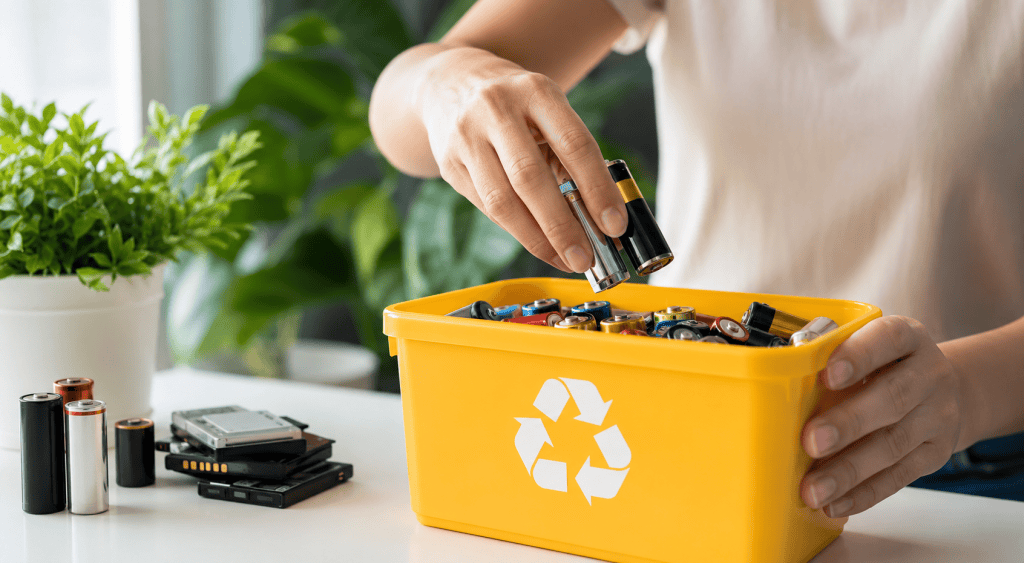
Batteries are one of the most commonly collected items under Singapore’s e-waste scheme, and are accepted directly at public e-bins across the island. Because damaged or swollen batteries pose a fire risk, keep them isolated and tape exposed terminals if the collection point advises it. Never place batteries in general household trash or the blue recycling bin.
Fridges and Large Appliances
Large appliances like refrigerators, washing machines, dryers, and air-conditioning units are collected through a free doorstep pickup service rather than public bins, since they’re too bulky and may contain regulated components such as refrigerants. This can usually be arranged online in advance.
How Electronic Waste Recycling Works
Once electronic devices arrive at a recycling facility, they follow a structured processing workflow.
The general recycling process includes:
- Device collection
- Manual inspection
- Data security procedures (where applicable)
- Component dismantling
- Material separation
- Metal recovery
- Safe disposal of hazardous materials
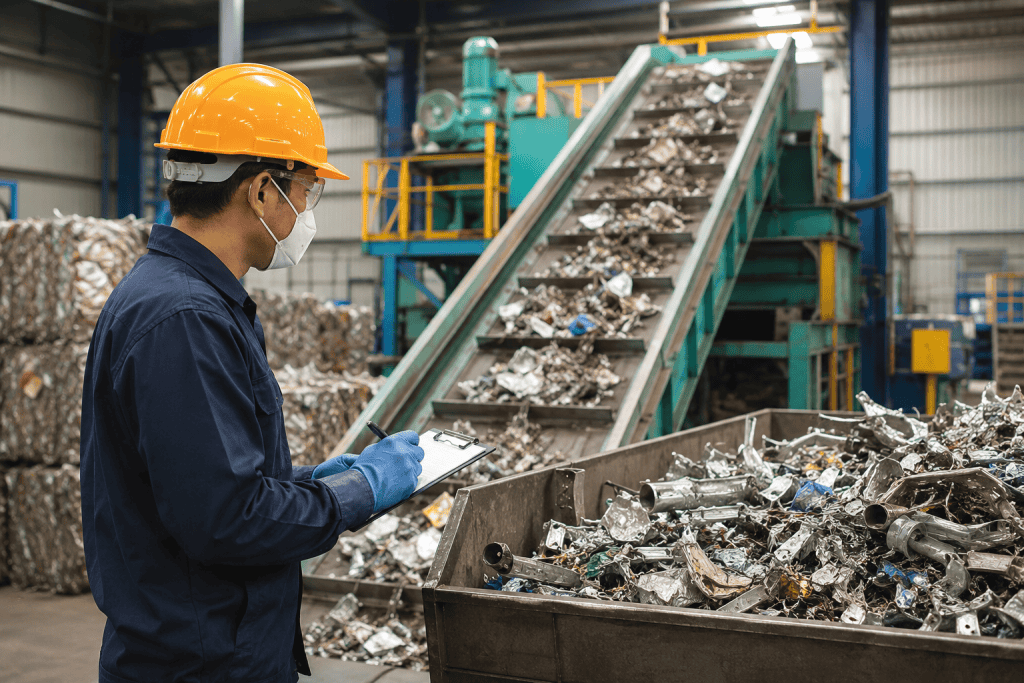
Modern recycling facilities use specialized equipment to recover plastics, glass, precious metals, copper, aluminum, and steel from discarded electronics.
Hazardous components such as batteries, refrigerants, and cathode ray tubes (CRTs) are removed separately to comply with environmental regulations.
Other Ways to Get Rid of Old Electronics
Public e-bins aren’t the only option, and for some devices, they’re not even the best one. Depending on the condition of your electronics, there are a few alternative routes worth checking first.
- Retailer take-back programmes — Many electronics retailers accept your old device for free when you purchase a replacement, often called a 1-for-1 take-back. This is usually the most convenient option if you’re upgrading a phone, laptop, or major appliance anyway, since the retailer handles collection at the point of delivery or purchase.
- Town council collection drives — Quarterly e-waste collection drives are organised together with town councils at void decks across HDB estates. These events accept a wider range of items than a standard e-bin, including some bulky electronics, and are worth checking if your estate has one coming up.
- Sell or donate working devices — If the device still works, recycling isn’t always the best use of it. Functioning phones, laptops, and tablets can be sold through reuse platforms or resale stores, or donated to organisations that refurbish electronics for those who need them. This keeps the device in use longer before it eventually needs recycling.
- Sell for scrap value — Larger old electronics and appliances, especially ones with significant metal content like washing machines, aircon units, or industrial equipment, often have more value as scrap than as a bin drop-off. Choon Sheng Hardware Trading buys old electronics and appliances with recoverable metal content, offering an alternative to disposal for items that would otherwise just be thrown away. Contact us! if you have items like this sitting around.
Also Read: 7 Challenges of E-Waste Recycling in Singapore and How to Solve Them
Recycling E-Waste in Bulk or as a Business
Public e-waste bins and doorstep pickup work well for household items, but they aren’t built for offices clearing out old IT equipment, factories decommissioning machinery, or businesses managing regular volumes of electronic waste. Bulk e-waste often has recoverable value in copper, aluminium, and other metals, value that’s lost if it’s simply dropped into a public bin.
Choon Sheng Hardware Trading works with businesses across Singapore to collect and responsibly recycle e-waste at scale, from IT asset disposal to old machinery and mixed electronic scrap.
Our team at Kaki Bukit handles sorting, fair weighing, and routes recovered materials to certified recycling partners, so bulk e-waste is processed properly instead of adding pressure to the public collection network. Get in touch to arrange a collection or request a quote.
Frequently Asked Questions
Is dropping off e-waste at collection points free?
Yes, dropping off regulated e-waste at public e-bins is free of charge for accepted items.
Do batteries go in e-waste bins or the regular recycling bin?
Batteries should always go into e-waste bins, never into the blue recycling bin or general household trash, since damaged batteries can pose a fire risk if mixed with other waste.
What happens to e-waste that’s too big for the bin?
Bulky items like fridges, washing machines, and large TVs don’t fit standard e-bins and instead need to be booked for free doorstep collection, arranged directly through the operator’s website or app.
Can I recycle e-waste through my town council instead of a public bin?
Yes, quarterly e-waste collection drives are organised together with town councils at housing estates across Singapore, giving residents another option besides fixed collection points.
Do businesses use the same e-waste bins as households?
Public e-bins are designed for household volumes, so businesses with larger quantities of IT equipment or electronic scrap typically arrange collection through a commercial recycler instead of relying on public bins.