61 Kaki Bukit Ave 1, #01-09, Singapore 417943
 +65 6841 0661
How to Close Down a Company in Singapore and Liquidate Your Assets
Learn how to close your Singapore company and turn unused machinery, e-waste, and scrap metal into immediate cash. Get a free liquidation quote today.
Closing a business in Singapore involves more than just submitting paperwork to ACRA. For companies with machinery, scrap metal, warehouse inventory, electronics, or office equipment, one of the biggest priorities is recovering as much value as possible before operations officially end.
Instead of paying high disposal costs, many businesses today choose to liquidate their unused assets through professional recycling and scrap buyers. Materials such as copper, aluminium, stainless steel, cables, servers, and industrial equipment can still hold significant resale or recycling value.
This guide explains the proper steps to close a company in Singapore while maximizing returns from your physical business assets.
5 Step Close Down a Company in Singapore
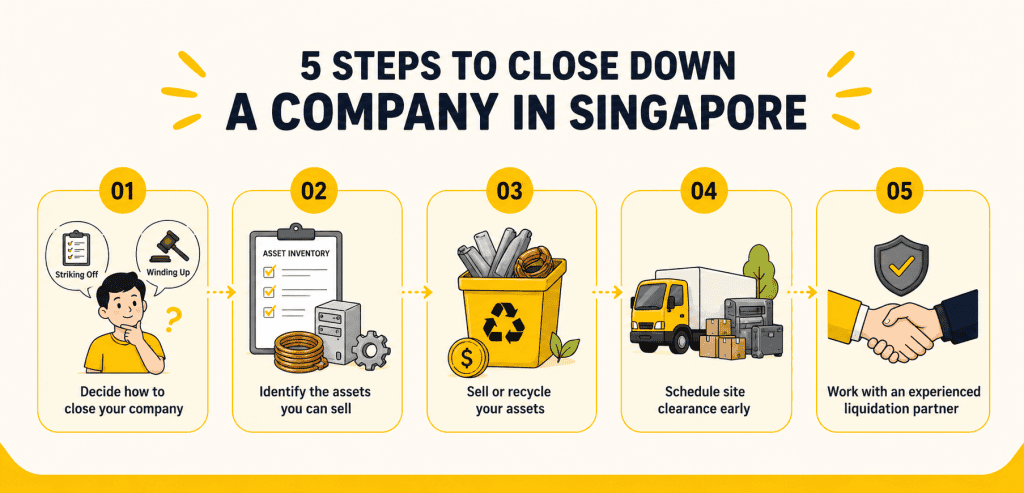
Step 1: Decide How to Close Your Company
In Singapore, companies generally close through either Striking Off or Winding Up (Liquidation).
1. Striking Off
Striking off is the simpler and lower-cost option for companies that:
- Have stopped business activities
- Have no outstanding debts
- Are not involved in legal disputes
- Have no remaining liabilities or assets
Business owners can apply through ACRA to remove the company from the register.
2. Winding Up (Liquidation)
If your company still has debts, physical assets, or unresolved financial obligations, liquidation may be necessary.
There are two common types:
- Members’ Voluntary Winding Up — initiated by shareholders when the company is still solvent
- Creditors’ Voluntary Winding Up — used when the company cannot fully pay its debts
During liquidation, company assets are sold to repay creditors and recover remaining value.
| Criteria | Striking Off | Winding Up |
|---|---|---|
| Company Has Debts | No | Usually Yes |
| Assets Remaining | Minimal or None | Yes |
| Legal Process | Simpler | More Complex |
| Cost | Lower | Higher |
| Suitable For | Dormant companies | Businesses with liabilities or inventory |
| Asset Disposal Needed | Usually No | Often Required |
Step 2: Identify the Assets You Can Sell
Before engaging a liquidator or filing with ACRA, conduct a full asset inventory. Many business owners are surprised by how much recoverable value remains in their premises.
Common high-value assets found during business closures include:
- Scrap metal — copper wiring, aluminium frames, stainless steel equipment, mild steel structures
- E-waste — servers, desktop computers, laptops, networking cables, UPS units, printers
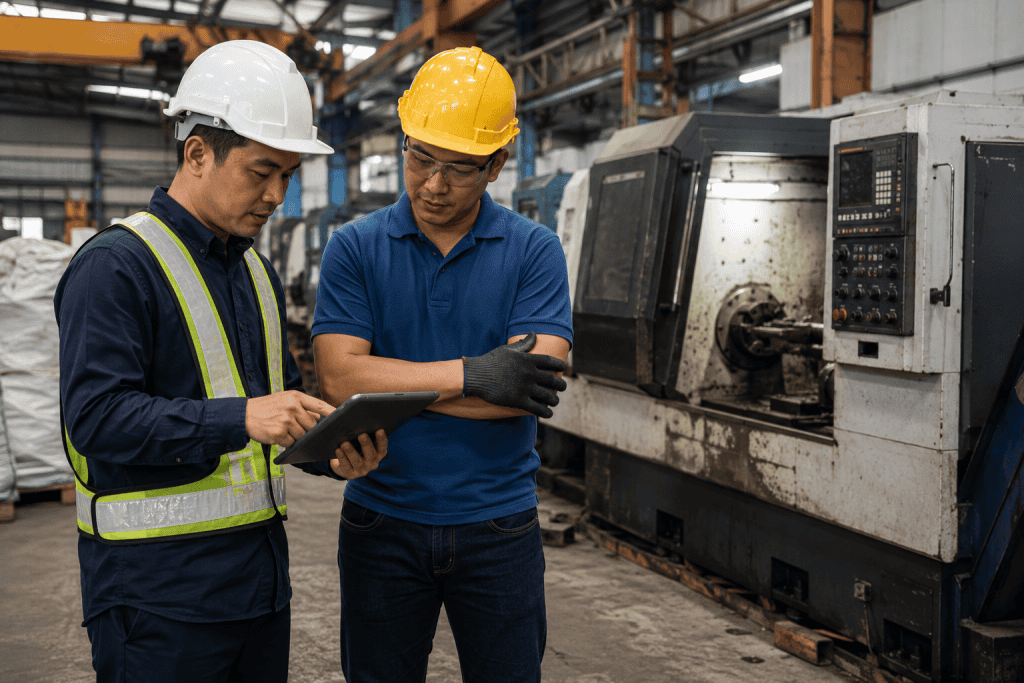
- Industrial machinery — CNC machines, compressors, generators, conveyor systems
- Commercial kitchen equipment — stoves, refrigerators, extraction systems (common in F&B closures)
- IT and office infrastructure — workstations, air-conditioning units, power distribution boards
- Unused inventory or raw materials — plastics, packaging materials, surplus stock
Even items that appear outdated or non-functional often carry recycling or resale value. Copper alone can fetch significant returns per kilogram depending on current commodity prices.
Pro tip: Do not discard or skip-hire anything before getting a professional assessment. What looks like waste to you may be cash in hand.
Step 3: Sell or Recycle Your Assets
Rather than paying for disposal, businesses can work with a licensed scrap and recycling company to recover cash from their assets during the wind-down process.
At Choon Sheng Hardware Trading, we work directly with businesses going through closure, helping you:
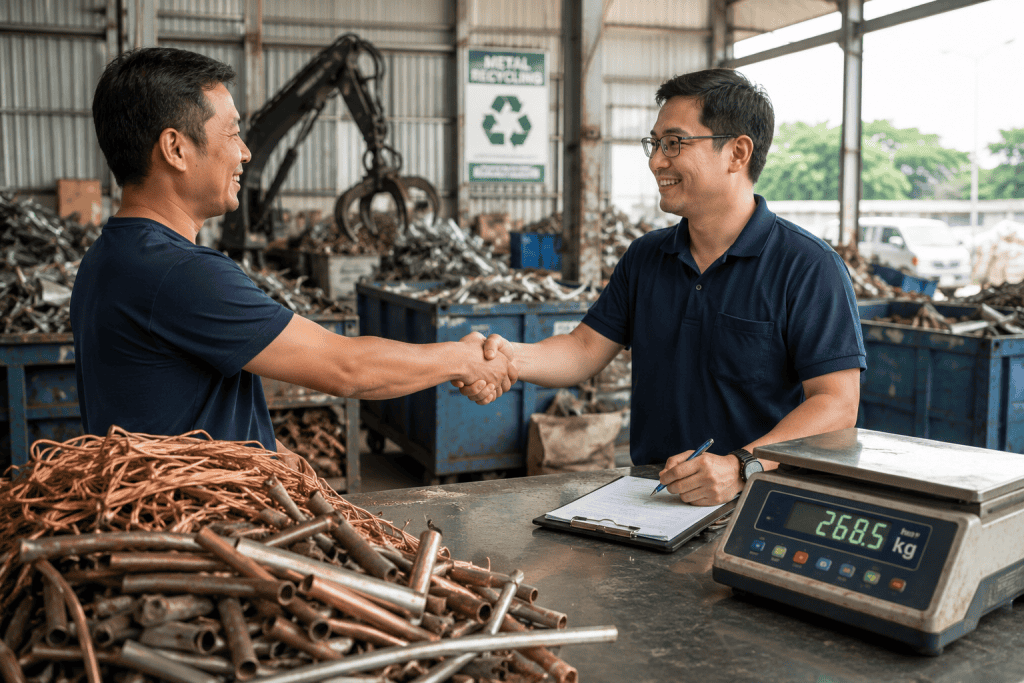
- Buy all grades of scrap metal, with competitive rates for high-value materials like copper, aluminium, and stainless steel
- Collect and recycle e-waste responsibly in compliance with Singapore’s environmental regulations
- Purchase old machinery and industrial equipment with fast on-site assessment
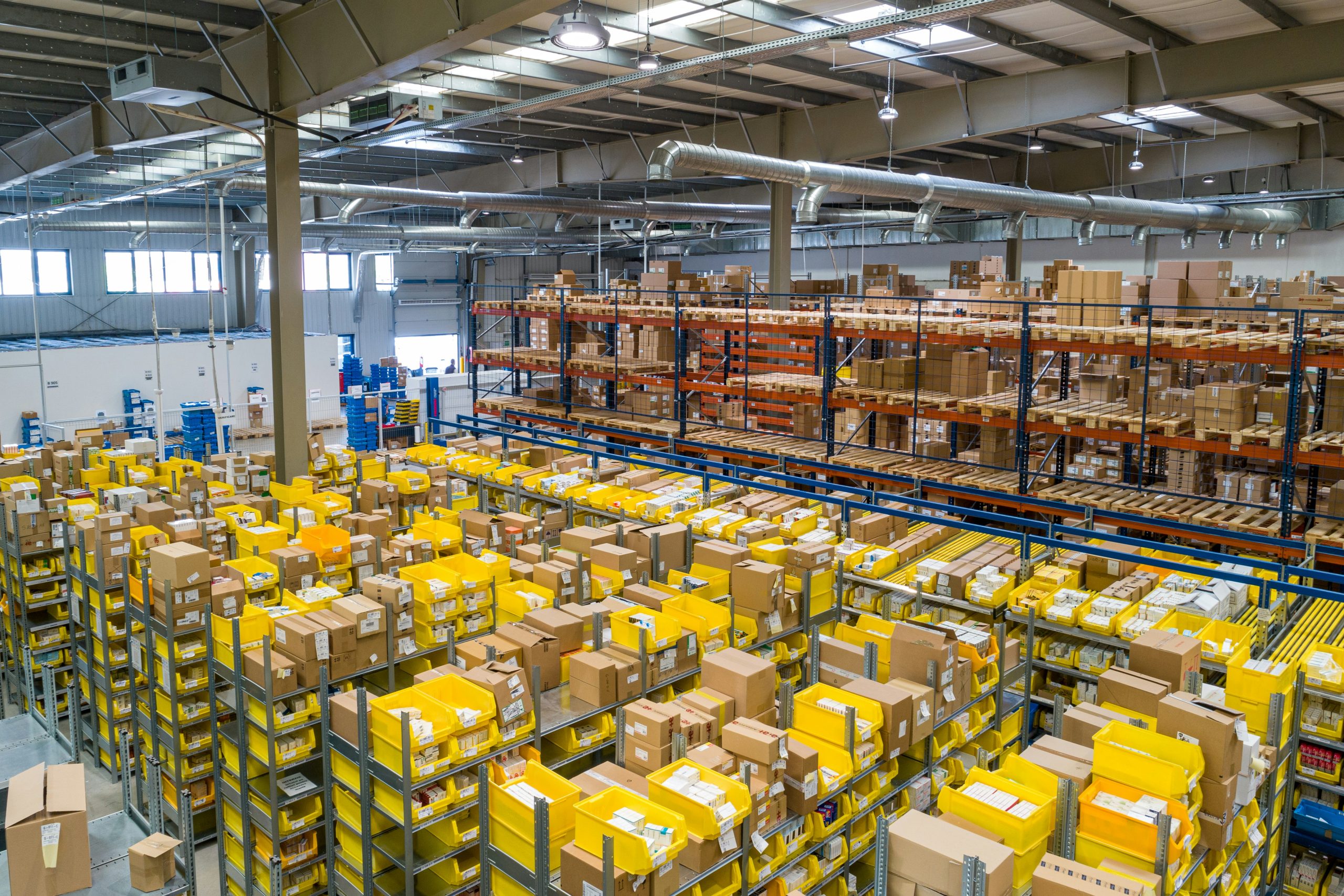
- Clear warehouse or factory inventory efficiently, including bulk removal
- Provide disposal certificates for corporate IT assets and e-waste — important for companies with data security and compliance obligations
Working with us during liquidation allows you to:
- Recover cash to offset closure costs or repay creditors
- Reduce or eliminate skip-hire and disposal fees
- Clear your premises efficiently ahead of lease handover
- Meet NEA and environmental compliance requirements
Step 4: Schedule Site Clearance Early
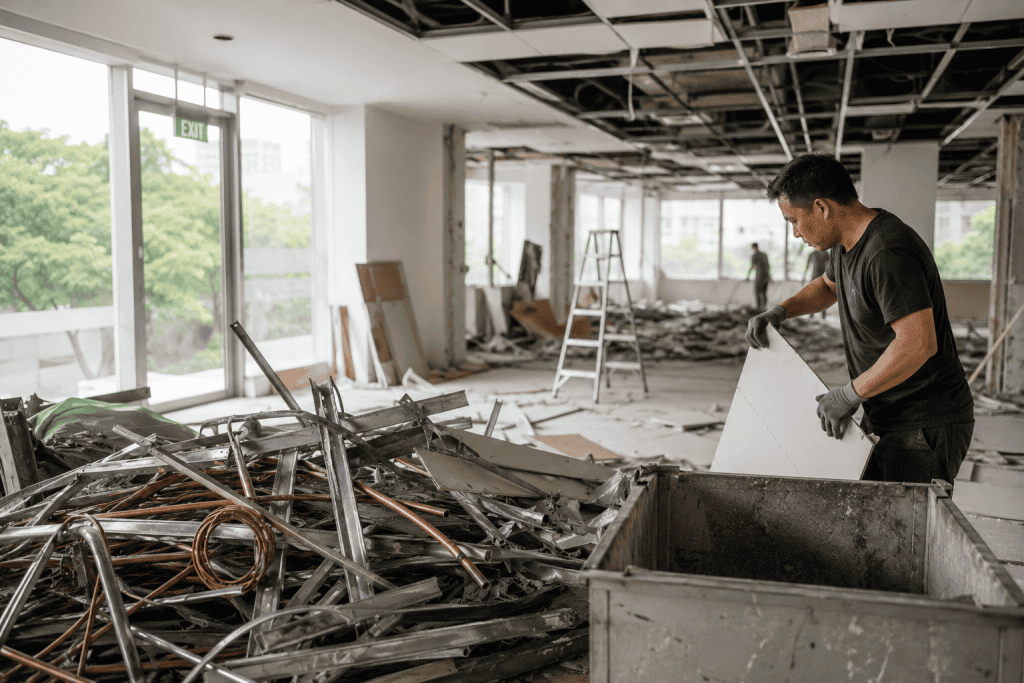
One of the most overlooked parts of company closure is physical site clearance. Delays in removing machinery, scrap materials, or inventory can slow down handover timelines for landlords and industrial properties.
Professional clearance services typically include:
- On-site assessment
- Dismantling of equipment
- Bulk scrap removal
- Transportation and logistics coordination
- Recycling and disposal support
Planning this process early can prevent operational delays and unnecessary storage costs.
Step 5: Work With an Experienced Asset Liquidation Partner
When closing a company, speed and transparency matter. Choosing the right recycling and liquidation partner can directly affect how much value you recover.
Look for a company that offers:
- Competitive scrap pricing
- Fast collection and payment
- Experience with factory and warehouse closures
- Knowledge of Singapore disposal regulations
- Proper handling of e-waste and industrial materials
Businesses in sectors such as manufacturing, construction, engineering, logistics, retail, and technology often require specialized handling during liquidation and site clearance.
Also Read: Singapore Scrap Metal Price Guide: Current Rates & Values (2026)
2026 Liquidation Checklist
Use this checklist to stay on track during your company wind-down:
| Stage | Action | Done? |
|---|---|---|
| Legal | Decide between Striking Off or Winding Up | ☐ |
| Legal | Engage a corporate secretary or liquidator | ☐ |
| Legal | Notify ACRA, IRAS, and relevant authorities | ☐ |
| Assets | Conduct full physical asset inventory | ☐ |
| Assets | Contact scrap/recycling company for valuation | ☐ |
| Assets | Separate e-waste and IT assets for certified disposal | ☐ |
| Assets | Obtain disposal certificates for compliance | ☐ |
| Premises | Notify landlord of vacating timeline | ☐ |
| Premises | Schedule site clearance with removal company | ☐ |
| Premises | Arrange final inspection and key handover | ☐ |
| Financial | Record proceeds from asset sales for liquidator | ☐ |
| Financial | Settle outstanding GST, CPF, and payroll obligations | ☐ |
Why Businesses Choose Choon Sheng Hardware Trading
Choon Sheng Hardware Trading has assisted many Singapore businesses with asset liquidation, scrap recycling, and industrial clearance projects.
Our team provides:
- Competitive rates for scrap metal and e-waste
- Fast response and collection services
- End-to-end warehouse and factory clearance
- Honest pricing with no hidden costs
- Reliable support during business closure processes
Whether you are shutting down a small office or clearing an industrial facility, we help simplify the physical side of company liquidation.
Also Read: 7 Tips for Selling Scrap Metal in Singapore (2026)
Get a Free Asset Liquidation Quote
If you are planning to close your company in Singapore, proper asset liquidation can help reduce losses and improve cash recovery during the winding-up process.
Contact Choon Sheng Hardware Trading today for a free assessment and quotation. Our team will help you clear unwanted inventory, recycle valuable materials, and turn unused assets into cash efficiently.
Frequently Asked Questions
How long does business asset clearance take?
The timeline depends on the size of the warehouse, office, or factory. Smaller projects may take one day, while larger industrial clearances can require several days.
Can old machinery still be sold?
Yes. Even older or non-working machinery may still hold resale or scrap metal value depending on the material and condition.
Do you collect e-waste from companies?
Yes. Corporate e-waste such as servers, computers, cables, networking devices, and electronics can be collected and processed responsibly.
Is there a minimum amount required for collection?
Collection requirements depend on the type of materials and project scope. Bulk quantities generally receive better valuation and faster scheduling.